 RS / EUR

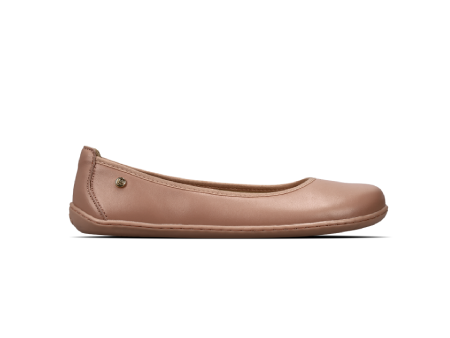
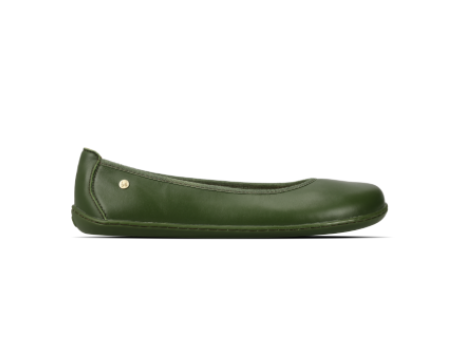
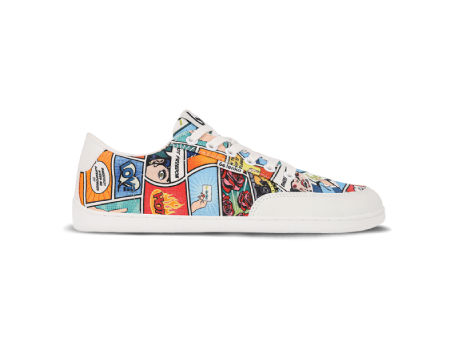
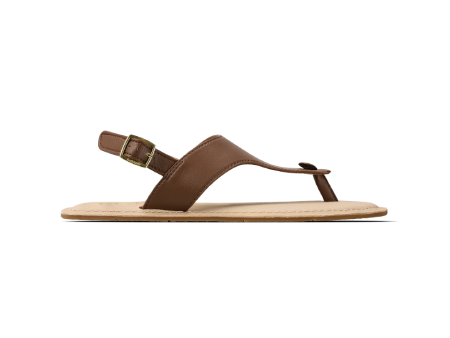
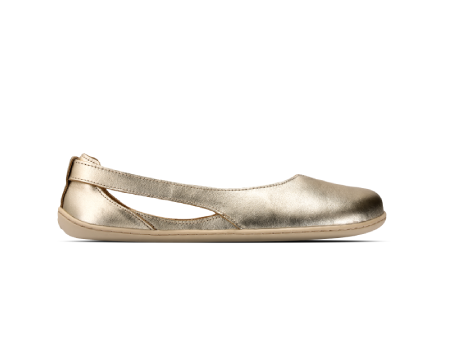
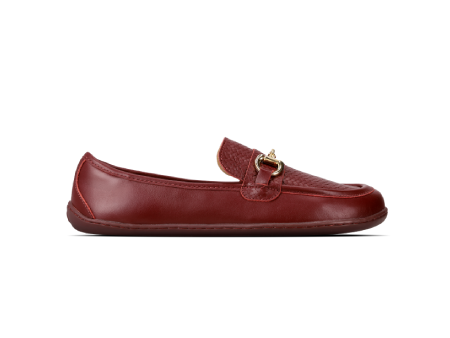
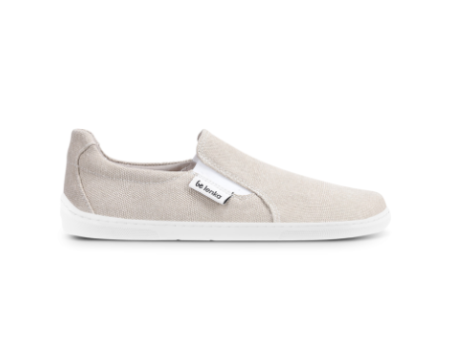
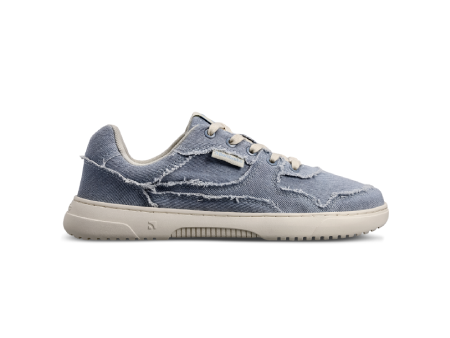
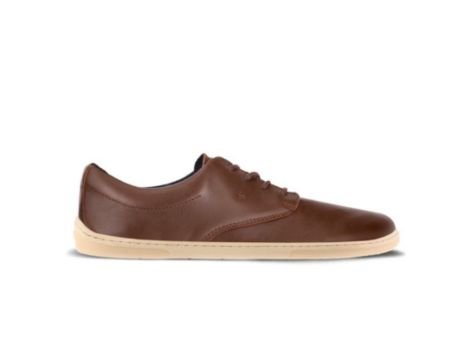
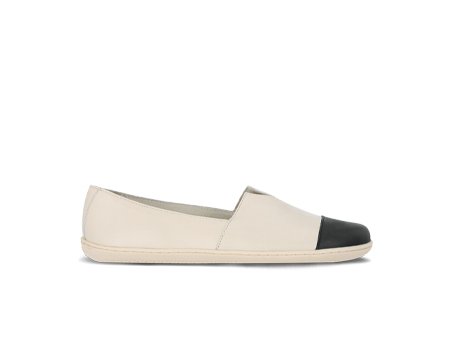

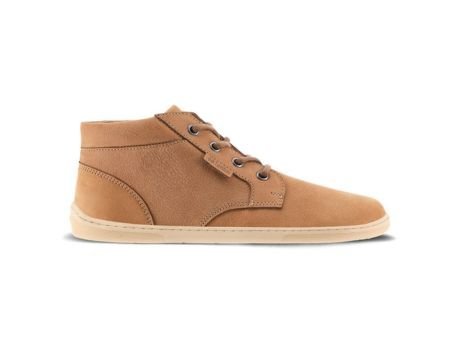
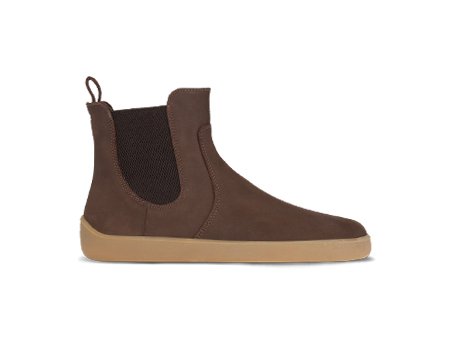
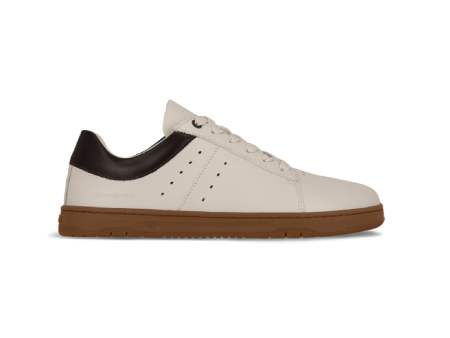
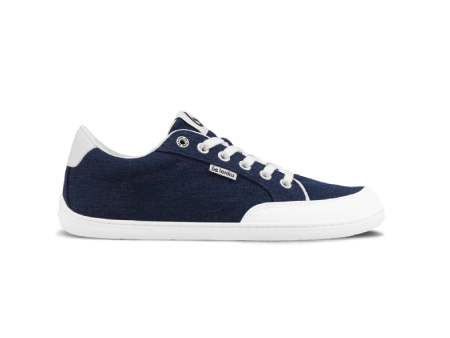

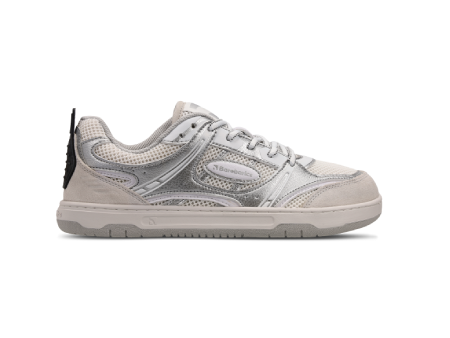
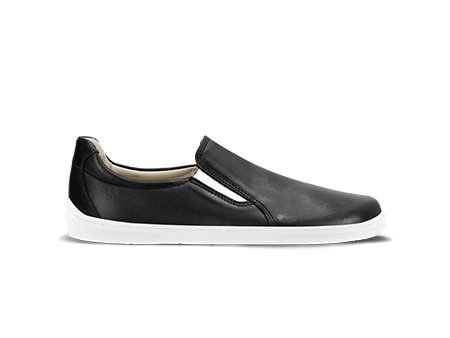
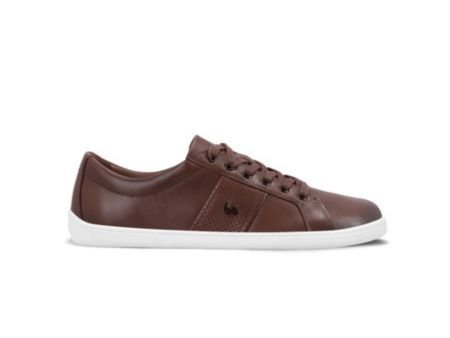

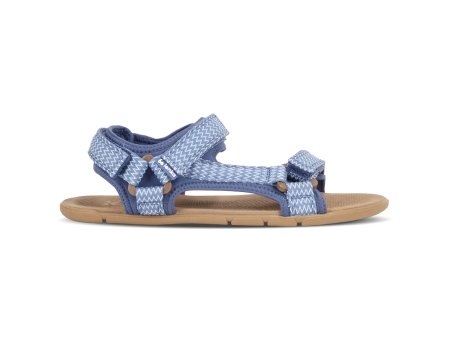

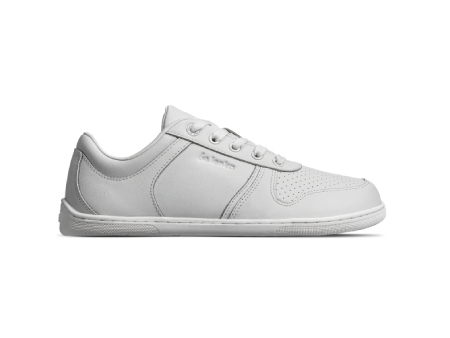

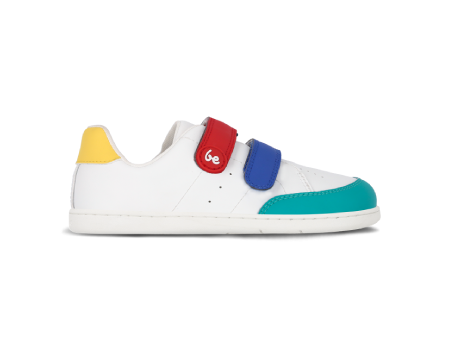
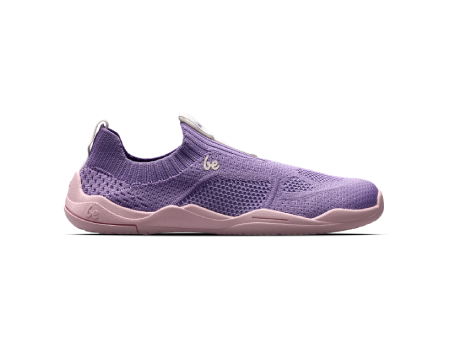
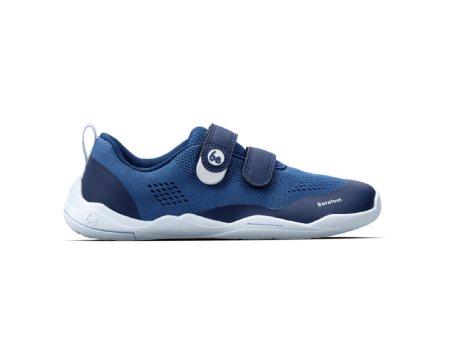
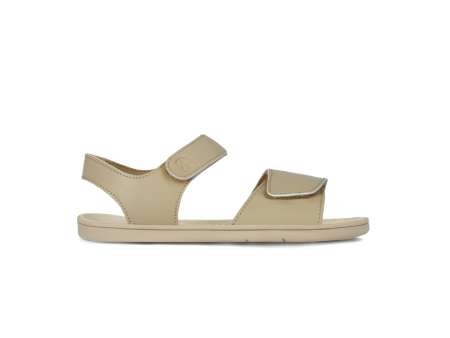
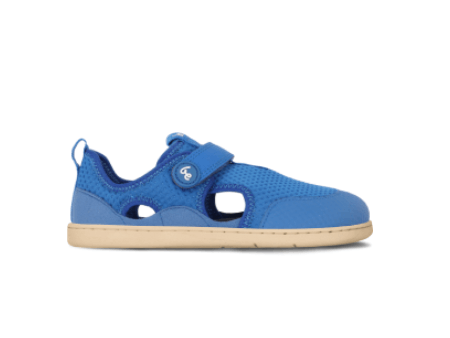
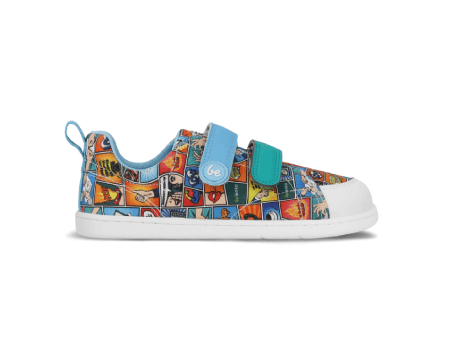
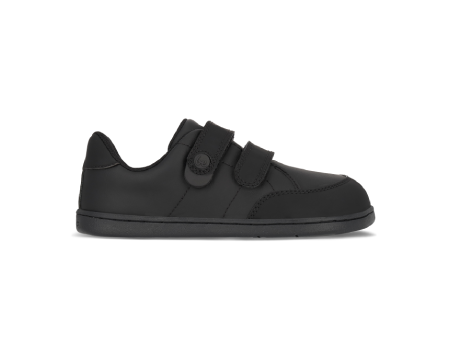

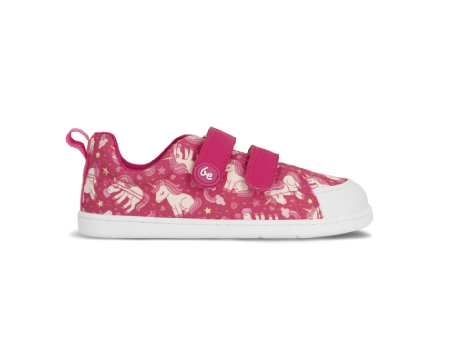
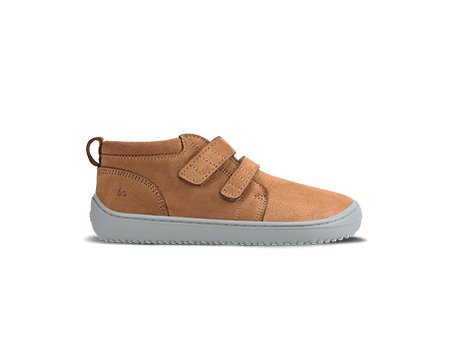
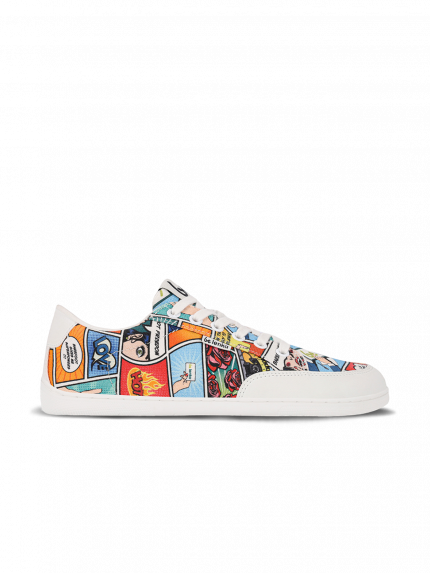
Low-cut barefoot shoes (43)
Rebound



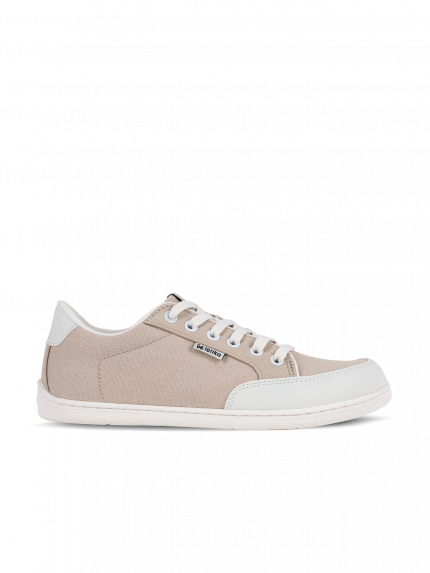
Zing
Revive
Amalea
Wave
Cityscape
You have seen 43 of 43 products
A low cut that goes with almost everything. Be Lenka low-cut barefoot shoes combine an elegant look with natural movement. Room for the toes, a flexible sole and a light step in the city and at work.
Why low-cut footwear is worn the most
Look into your wardrobe and the low cut will almost certainly win. The reason is practical. Low-cut footwear goes on quickly, doesn’t press anywhere across the ankle, matches trousers and a skirt alike and suits indoors just as well as the street. For most of the year the temperatures outside are ones at which higher footwear isn’t needed. That’s exactly why it pays to give a low-cut pair more attention: it walks the most kilometres.
Low-cut shoe, moccasin or sneaker?
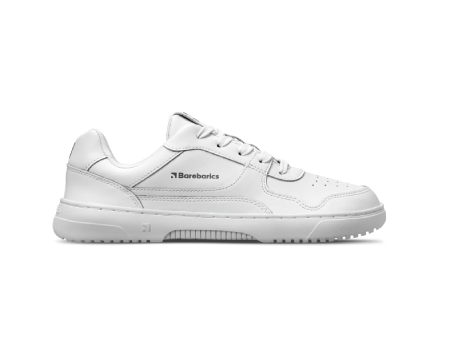
The difference lies in the degree of formality. A low-cut shoe tends to be laced with a smooth upper and looks the neatest, so it also handles environments with a prescribed dress code. Barefoot moccasins slip on without laces and combine elegance with comfort, making them a good choice for hurried days. Barefoot sneakers are sportier and the most versatile choice for leisure. All three types, however, share the same barefoot foundation; they differ only in where they fit in.
Low-cut models for women, men and children
Each group has its own selection. Women will find finer cuts among the women’s low-cut barefoot shoes, men classic laced models in the men’s low-cut barefoot shoes, and for the littlest ones there are children’s low-cut barefoot shoes with fastenings they can manage themselves.
Low-cut footwear suits the transitional season
Spring and autumn are ideal for low cuts. It isn’t cold enough yet for you to need to protect the ankle, but for sandals it’s either too early or too late. Low-cut footwear with a thinner sock handles a sunny afternoon and with a thicker one a cold morning as well. Be Lenka low-cut models are created with an emphasis on durability in everyday wear; each goes through development and testing over thousands of flexes so it lasts the hundreds of days awaiting it.
Why do low-cut barefoot shoes look wider than ordinary footwear?
+ -Because they copy the real shape of the foot. Classic footwear, on the contrary, narrows towards the toe into a shape the human foot doesn’t have, which is why it looks slimmer. The barefoot cut leaves the toes the room they need, which is unusual at first sight. After a few days of wear most people get used to it, and it’s the narrow toes that start to look uncomfortable to them.
My heel slips out of low-cut footwear, what to do about it?
+ -The most common cause is a shoe that’s too long. Measure your foot and compare it with the size chart of the specific model; with low-cut footwear the precision matters more than with ankle-height shoes. With laced models the top eyelets help fine-tune the lacing, and with slip-on models a thin insole or a thicker sock does. If the heel slips out even at the correct size, try a model with a different cut in the heel area.
Are low-cut barefoot shoes suitable in winter too?
+ -In dry city winters with temperatures around zero yes, especially leather models combined with a warmer sock. For snow, slush and frost, though, a low cut isn’t enough; it lacks both ankle protection and insulation. That’s when ankle-height or high winter footwear is in order. Keep the low-cut shoes for indoors and for changing into at work.