RS / EUR







 Order Status
 Return Status
 Frequently Asked Questions


5 Reasons to Wear Barefoot Chelsea Boots
 Be Lenka
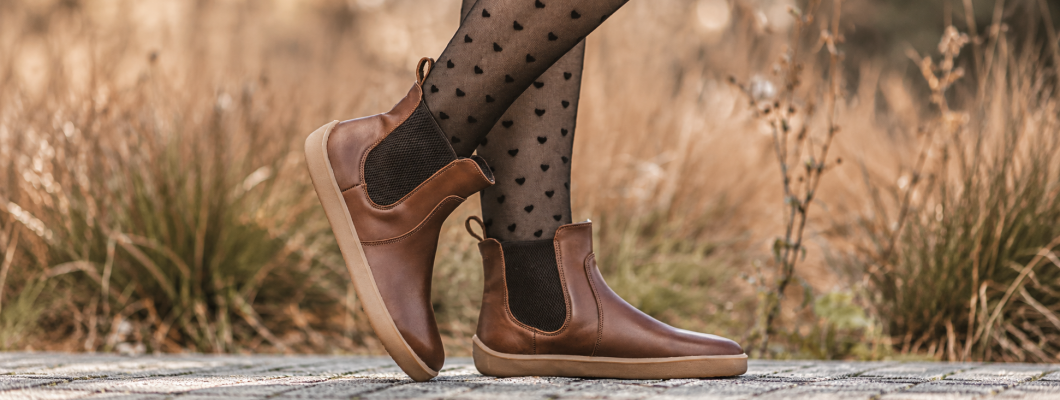
Why wear barefoot Chelsea boots? They are elegant, iconic ankle boots that are perfect for transitional weather, yet they feel completely different when you walk. They do not squeeze your toes into a narrow toe box, and they feature zero drop and a flexible sole. If you like the Chelsea style but have always associated it with stiff, narrow boots, try a barefoot version – you may discover a more comfortable way to walk.
- The difference between conventional and barefoot Chelsea boots
- Which model should you choose?
- What size should you choose?

Barefoot Chelsea Boots
Entice Neo - Matt Black
10 colors
Barefoot Chelsea Boots
Entice Neo - Cinnamon Brown
10 colors
Barefoot Chelsea Boots
Entice Neo - Dark Brown
10 colors
Barefoot Chelsea Boots
Entice Neo - All Black
10 colors
Barefoot Chelsea Boots
Entice 3.0 Vegan - Off-White
10 colors
Barefoot Chelsea Boots
Entice 3.0 - Burgundy
10 colors
Barefoot Chelsea Boots
Entice 3.0 - Chocolate
10 colors
Barefoot Chelsea Boots
Entice 3.0 Vegan - Black
10 colors
Barefoot Chelsea Boots
Entice 3.0 Vegan - Brown
10 colors
Barefoot Chelsea Boots
Entice 3.0 - All Black
10 colors
How Barefoot Chelsea Boots Differ from Conventional Ones
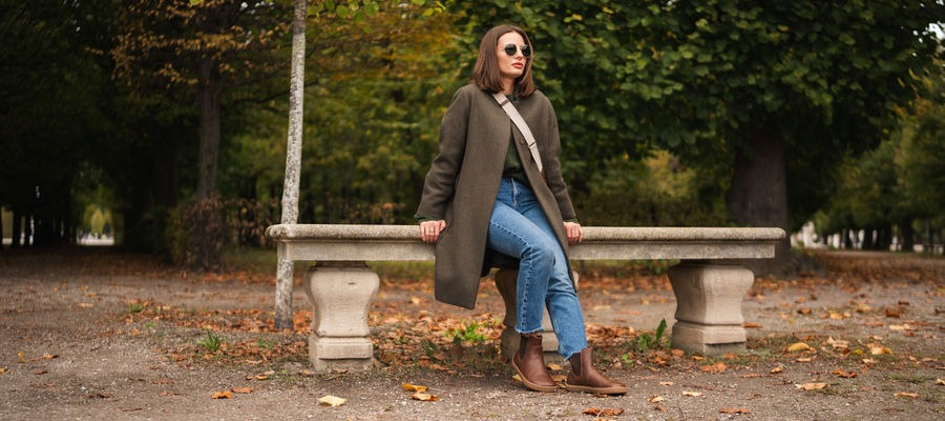
Chelsea boots originated in England during the Victorian era. Shoemaker Joseph Sparkes-Hall designed them for Queen Victoria herself, who wanted comfortable, lace-free walking boots that were easy to put on and stayed securely in the stirrups when riding. This is why they were originally called “paddock boots”. In the 1950s and 1960s, they became a fashion staple in Chelsea, a centre of London's cultural scene, and enjoyed a huge boom during the era of the Beatles and the Rolling Stones.
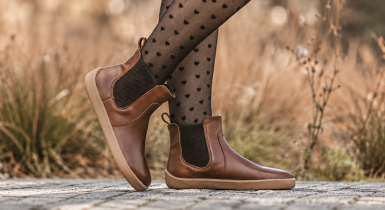
This type of footwear is known for its minimalist, elegant appearance, making it easy to pair with trousers, jeans and dresses alike. Barefoot Chelsea boots offer benefits for your feet, too. Their anatomically shaped toe box follows the natural shape of the foot and gives your toes more room. Zero drop keeps the heel and toes at the same height. Another difference is the flexible sole. While conventional ankle boots are often rigid and less adaptable, barefoot versions move with your feet. You can enjoy the Chelsea look you love without feeling cramped. If you are looking for versatile footwear for the transitional seasons, explore our complete range of barefoot Chelsea boots.
1. Slip Them On in One Easy Movement
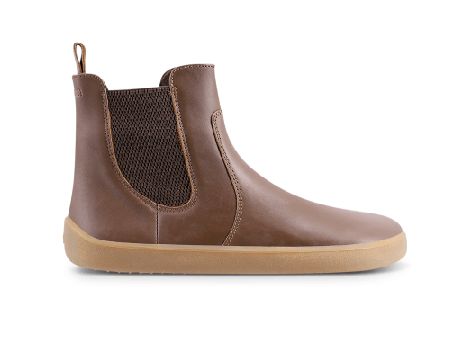
Chelsea boots are practical because they need neither laces nor a zip. The invention of rubber made it possible to improve the design with elastic side panels that make them easier to put on. These panels stretch as you slip the boots on, then comfortably hug your ankles and help keep your feet in place. You will appreciate this detail in everyday situations: when you are rushing out of the house in the morning, when you need to take your shoes off and put them back on quickly at the airport, or when you arrive home with your hands full of shopping bags. The boots are easy to put on while respecting the natural shape of your feet.
2. Ankle Boots That Do Not Squeeze Your Toes
Conventional Chelsea boots often taper towards the front. This may look elegant, but after several hours of wear, the lack of comfort becomes noticeable. Your toes cannot spread, the foot feels compressed, and pressure builds up exactly where it needs the most space. This can be more noticeable in ankle boots than in low-cut shoes. Boots hold the foot more firmly and wrap around the ankle, leaving less opportunity to find a comfortable position inside. If you have wider feet, you may notice the difference even sooner.
Barefoot Chelsea boots have a roomier toe box. That does not mean they look bulky or shapeless. The front is designed to respect the shape of the foot while complementing the overall design of a boot that looks great and feels good. Your toes are not squeezed into a narrow space and can move more freely as you walk. If you are looking for boots for wider feet, a barefoot Chelsea style may be an excellent compromise. It keeps the elegant ankle-boot silhouette without creating unnecessary pressure at the front.
3. Ankle Boots That Do Not Restrict Movement
Boots are often stiffer than trainers or low-cut shoes. They tend to have firmer soles, higher uppers and raised heels. During everyday wear, this can limit the natural movement of the foot, making each step shorter and heavier. Barefoot ankle boots work differently. A flexible sole adapts to the foot's movement and allows it to work naturally with every step. Zero drop keeps the foot in a natural position, so the body does not need to compensate for a height difference.
This difference is especially noticeable with Chelsea boots because they cover the ankle. If a boot is too stiff, the restriction is easier to feel. But when the sole is flexible and the shape respects the foot, Chelsea boots can remain secure and comfortable. This type of footwear suits women who want a more elegant alternative to trainers without giving up freedom of movement. If you are looking for other footwear for the transitional seasons, explore our barefoot ankle boots, which go with a variety of outfits.
4. Boots That Will Last for Years
Chelsea boots give any outfit a simple, clean and understated look. That is exactly why they are so easy to wear. Rather than following a bold trend that disappears the following season, they are a timeless wardrobe essential. The barefoot version also offers a more relaxed walking experience. The result is a pair of boots you can wear again and again without wondering each morning whether they go with your outfit. If you are looking for practical everyday ankle boots, explore our women's barefoot Chelsea boots. You can even choose a similar style for your children, who will especially appreciate how quick and easy they are to put on – find them in our children's autumn shoes category.
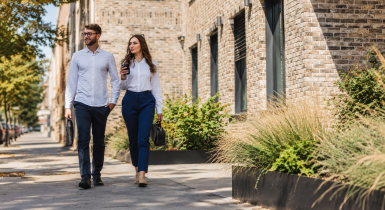
You can wear Chelsea boots for a walk, around town, to a meeting or on an ordinary workday. For more specific office outfit inspiration, read our article about shoes for the office.
5. Versatile Footwear for the Transitional Seasons
Chelsea boots come into their own when lighter shoes are no longer enough, but winter boots would be too warm. Because they cover the ankles, they are ideal for the transitional seasons. You can wear them from cool September mornings through damp days before winter and into the milder days of spring.
For rainy or damp weather, choose models with a water-repellent treatment to help protect against everyday moisture. This protection does not mean the boots are suitable for heavy rain or wet terrain. For tougher conditions, shoes with a waterproof membrane are a better option. On freezing days or in snow, choose winter barefoot boots instead. And if you want elegant low-cut footwear for drier days in spring or autumn, barefoot loafers can be a good alternative.
Which Model Should You Choose?

Be Lenka offers Chelsea boots in a range of materials. You can choose between vegan and leather versions. Both have a water-repellent treatment that helps protect the shoes against light moisture, for example during a short spring or autumn shower. Entice 3.0 Vegan is an alternative for women who prefer shoes made without animal-derived materials. Its more contrasting colour combinations add interest to an outfit. Synthetic materials are durable and easy to maintain: simply wipe them with a damp cloth and a little mild detergent, then dry them with a cloth.
Leather is a strong, timeless material with a premium look that works beautifully with both autumn and city wardrobes. One example is the elegant and timeless women's model Be Lenka Entice Neo, an ideal choice for the city or work. Leather Chelsea boots can be made from three types of material:
- Nubuck is lightly buffed genuine leather with a velvety, pleasantly matte surface. Its soft-looking texture gives footwear a premium feel.
- Split leather comes from the lower layer of the hide. Its characteristic buffed surface and fine texture give boots a relaxed, effortless look.
- Nappa leather is smooth genuine leather with a subtle sheen and a pleasantly soft feel. It looks clean, elegant and timeless, making it easy to style.
Leather barefoot boots have one major advantage: with proper care, they age beautifully. As you wear them, leather gradually adapts to your feet, softens and develops a patina. With quality leather, this is not a flaw but a characteristic of the material. It is worth cleaning and conditioning leather regularly and applying a protective treatment before the season. This extends its lifespan and helps the material withstand moisture and daily wear. You can use, for example, a natural nourishing leather wax and a water-repellent protective spray. With basic care, your leather Chelsea boots will look just as good next season as they did on day one.
Which Colour Is Right for You?
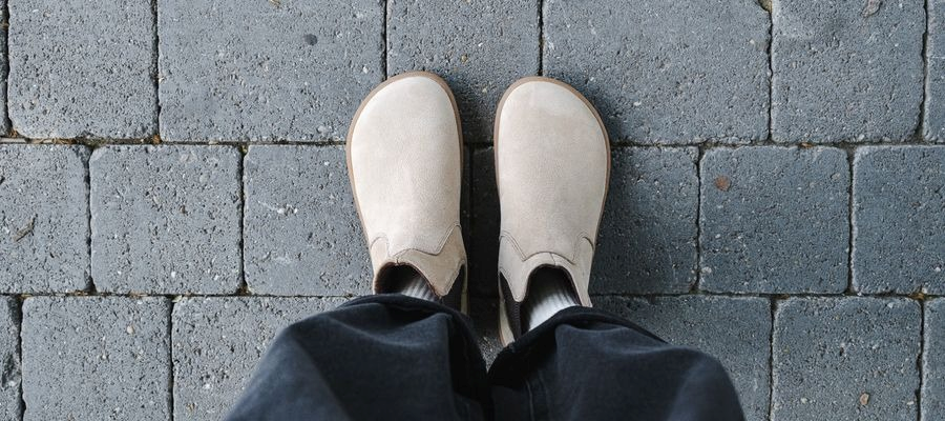
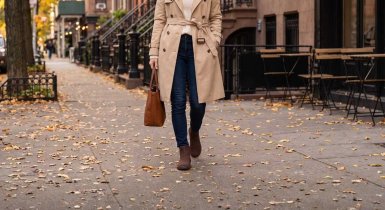
Black is the most versatile choice. It goes well with more elegant outfits, coats and minimalist wardrobes. If you are looking for dark boots for the transitional seasons, explore our women's black barefoot Chelsea boots. Brown has a softer, autumnal feel. It pairs beautifully with beige, denim, cream and warm natural shades. You will also find bolder colours and combinations among our vegan Chelsea models and split-leather versions. Browse the selection in our women's brown barefoot Chelsea boots category.
What Size Should You Choose?
Foot length is not the only factor when choosing Chelsea boots. Instep height, foot width and the fit around the ankle are also important. The elastic side panels provide some stretch, but not an unlimited amount. The boots should be easy to slip on without feeling too loose once worn. We therefore recommend measuring your feet and checking the size chart for the specific model. If you are between sizes, also consider the cut and material. Leather may adapt slightly with wear, while other materials hold their shape more consistently.
You can find detailed instructions on our shoe size measurement page.
A Perfect Fit for Your Style and Your Feet

Barefoot Chelsea boots prove that an elegant, popular silhouette does not have to mean narrow, stiff or uncomfortable footwear. They retain the iconic look while adding a roomier toe box, zero drop and a more flexible sole. If you want one versatile pair for the transitional seasons, explore our barefoot Chelsea boots and choose a model that suits both your style and your feet.
Do Chelsea boots stay securely on your feet without laces or a zip?
+ -Yes. Elastic side panels help Chelsea boots stay in place. They stretch when you put the boots on and then help hold your feet inside. It is important to choose the right size and consider instep height. If the boots are too large, your heels may slip when you walk. If they are too small, they may pinch both when putting them on and while wearing them.
What is the difference between Chelsea boots and conventional ankle boots?
+ -Chelsea boots are a type of lace-free ankle boot, usually with elastic side panels. Conventional ankle boots may have laces, zips, buckles or other fastenings. Chelsea boots have a cleaner appearance and are easier to slip on. The barefoot version also differs in its construction, with a more anatomically shaped toe box and a flat, flexible sole.
Are barefoot Chelsea boots suitable for wide feet?
+ -Barefoot Chelsea boots can be a good choice for wider feet because their front is not shaped like the narrow toe box of a conventional boot. Toes have more room and the foot is not unnecessarily compressed. However, you should also consider instep height and the boot's overall volume. If you have a particularly high instep, check the recommendations for the specific model.
Can you wear barefoot Chelsea boots in spring and autumn?
+ -Yes. Chelsea boots are classic transitional-season footwear. They are suitable for cool mornings, damp days and everyday city wear. In spring, pair them with lighter trousers, skirts or dresses; in autumn, wear them with coats, jeans or knitwear. However, they are not designed to replace snow boots in freezing temperatures or deep snow.
How should you care for leather barefoot Chelsea boots?
+ -Regularly remove dust and dirt from leather Chelsea boots with a soft brush or cloth. Before the season, treat them with a suitable leather-care product, followed by a protective spray. This helps leather withstand moisture and maintain its appearance for longer. If the boots get soaked, do not dry them directly next to a radiator or another heat source. Let them dry naturally at room temperature.
What is the difference between the leather and vegan versions of Entice?
+ -The leather version is for people who prefer natural materials that gradually adapt to the foot with wear. The vegan version uses no animal-derived materials and is easier to maintain. Your choice therefore depends on whether low-maintenance care or your personal material preference matters more to you.
Do you think others should know about this too?
Share it :)